Can anyone send email as your domain?
Check your SPF, DMARC, DKIM and MX in seconds — and see if scammers could spoof your address.
Why it matters
If your domain isn't locked down, anyone can pretend to be you
SPF, DKIM and DMARC are the records that prove an email really came from your domain. Without them, scammers can send invoices and phishing emails as you — and even your genuine email is more likely to land in spam.
- Stops impersonation. A strict DMARC policy blocks anyone spoofing your address to scam your customers.
- Reaches the inbox. Authenticated mail is trusted by Gmail and Outlook — so it stops landing in spam.
- Protects your brand. One fraudulent email sent "from" you can undo years of hard-won trust.
Checking your whole setup? Try the free SEO check or the broken link checker.
yourcompany.com
Well protected — not spoofable
How it works
Enter your domain
Just the domain you send email from — no login, no access needed.
We read your DNS
We look up your live SPF, DKIM, DMARC and MX records in seconds.
Get your grade + fixes
A clear A–F grade, whether you're spoofable, and exactly what to change.
We set the records up, and the site they point at
Email authentication is a half-hour job on its own. It is worth more as part of the thing people land on.
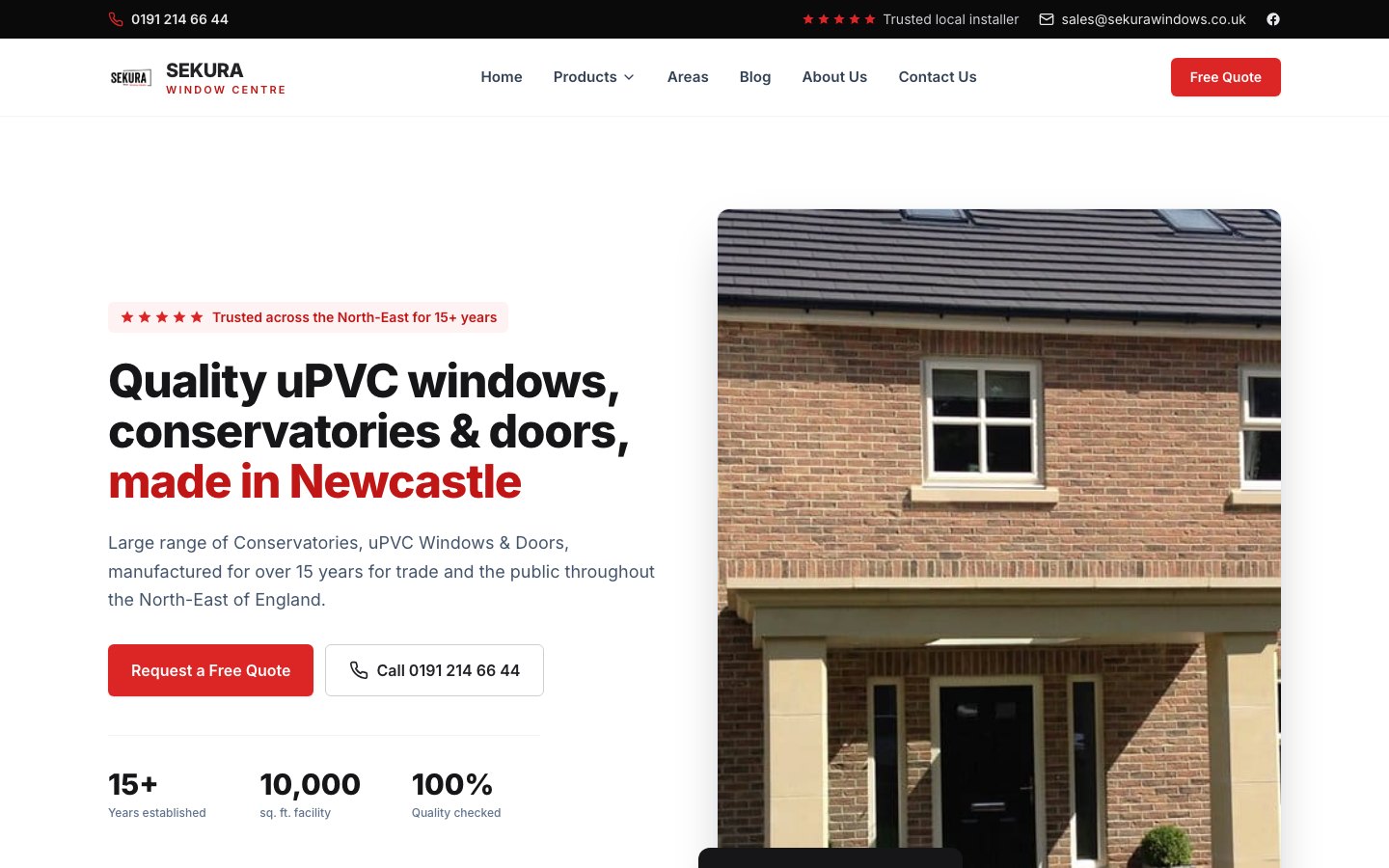
Sekura Windows
An established window company, online at last
A new website for Sekura Window Centre, a North East windows, doors and conservatories company. Built in their own black and red, around the call or t...
Read the case study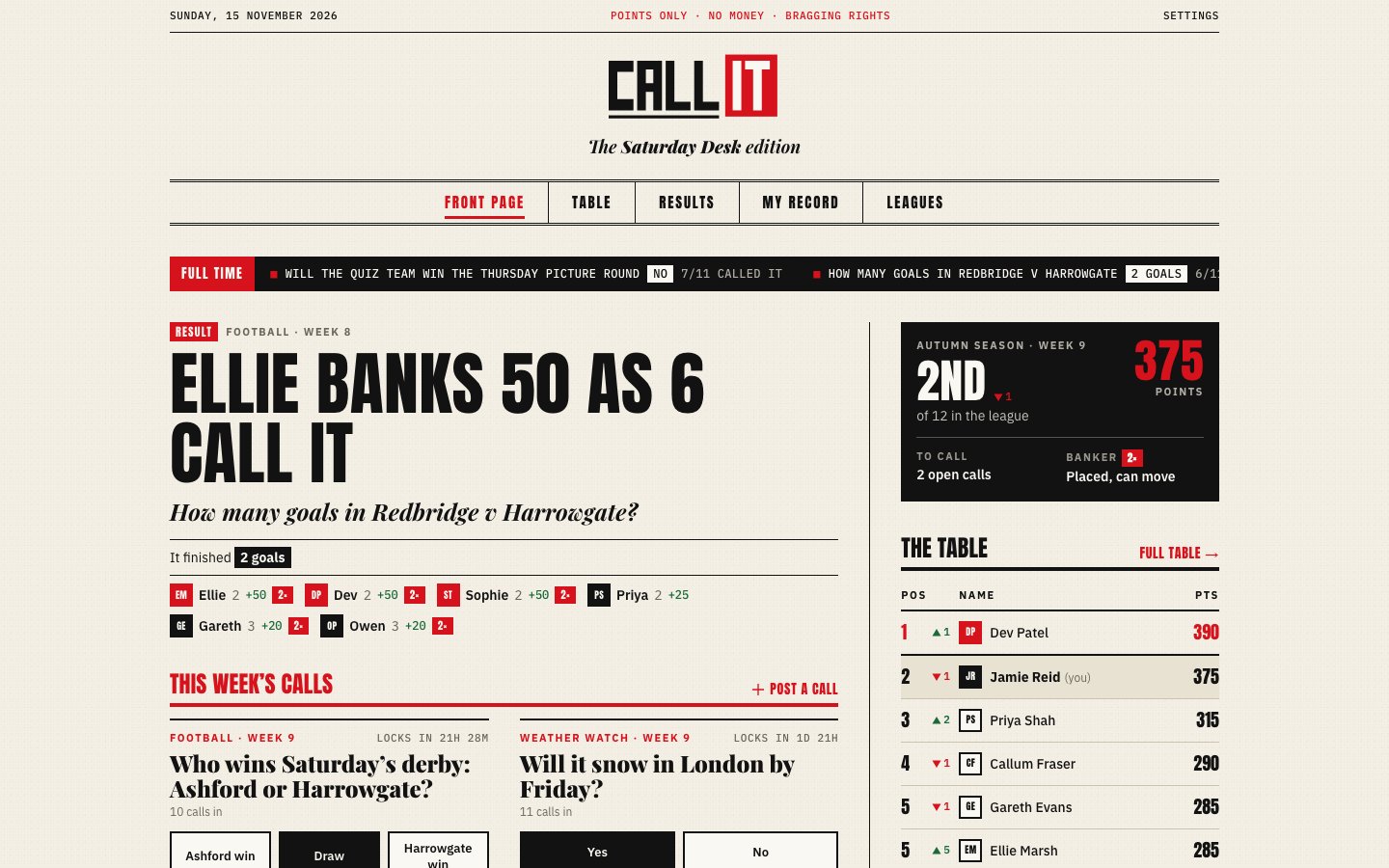
Call It
Settle the group-chat argument
Call It is a predictions game for friends, played for points and bragging rights: post the week’s big questions, make your call before it locks, and l...
Read the case studyCompanies that work with us






Want your email locked down?
We'll set up SPF, DKIM and a strict DMARC policy so no one can spoof your domain — and your legitimate email lands in the inbox.